


Sweat Belt for Workouts: What to Expect
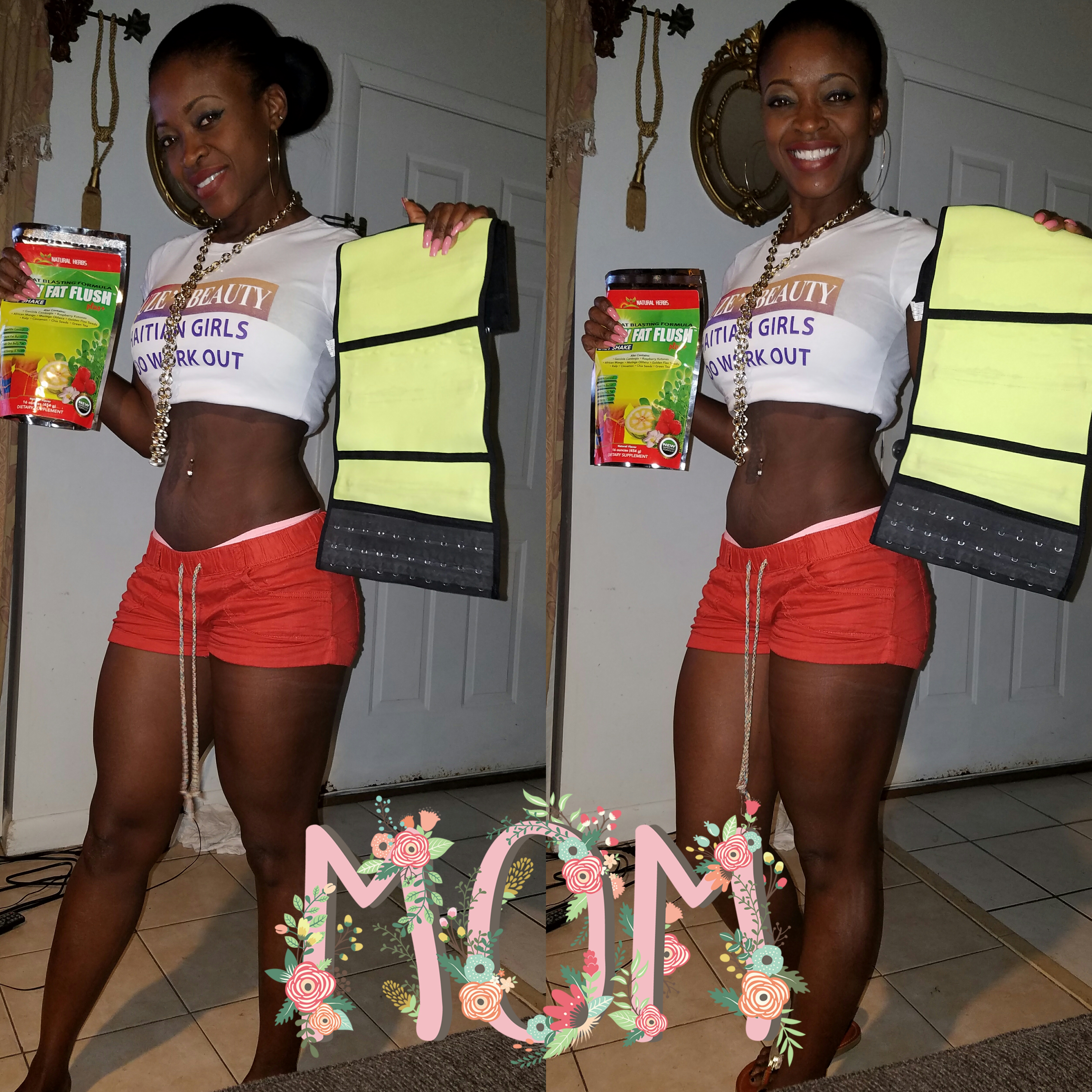
That extra warmth around your midsection can feel motivating when you are walking, lifting, dancing, or working toward a more defined workout look. A sweat belt for workouts is designed to hold heat close to the abdominal area, helping you sweat more in that zone while adding a snug, supported feel to your routine. It can be a confidence-boosting layer, but it is not a shortcut around consistent movement, hydration, and balanced habits.
For women building a body-confidence routine, the best sweat belt is one that feels secure without pinching, rolling, or distracting you from the workout. The goal is simple: wear it comfortably, train with intention, and choose a fit that works with your shape.
What a Sweat Belt for Workouts Actually Does
Most sweat fitness belts are made with heat-trapping materials, often neoprene or a similar flexible fabric. When worn around the waist during activity, the belt increases warmth at the midsection. That can lead to more perspiration underneath the belt, especially during cardio, high-intensity training, outdoor walks, or hot-weather movement.
More sweat does not automatically mean more fat loss. Sweat is primarily your body’s cooling response, and the scale may dip temporarily after a sweaty session because of fluid loss. Rehydrating restores that fluid. Lasting changes in body composition come from your overall routine: regular activity, nutrition that supports your goals, sleep, and consistency over time.
That does not make a sweat belt useless. Many women like the focused warmth, the held-in feeling around the waist, and the extra motivation that comes from putting on dedicated workout gear. A belt can also help create a smooth, secure layer under a loose workout top. Think of it as an accessory that supports your routine, not the routine itself.
Choosing the Right Sweat Belt Fit
A sweat belt should fit snugly against the body without restricting your breathing, digging into your ribs, or causing pain when you bend and twist. If you have to hold your breath to fasten it, it is too tight. If it slides up during a walk or bunches at the lower back during squats, it may be too loose, too long for your torso, or not positioned correctly.
Measure your natural waist before ordering rather than guessing based on your jeans size. Your natural waist is generally the narrower area between the rib cage and hips. Check the brand’s size chart and pay attention to adjustable closures, torso length, and whether the belt is designed for straight or more curved body shapes. Size-inclusive options matter because a belt should work with your body, not demand that your body fit a limited size range.
A wider belt can offer more coverage across the stomach and lower back, which some shoppers prefer for walking or lower-impact workouts. A narrower style may feel less bulky for gym sessions, dance workouts, or layered activewear. If you have a shorter torso, avoid an overly tall belt that presses into your bust or hips when seated. If you have a longer torso, look for enough vertical coverage that the belt does not roll at the center.
How to Wear a Sweat Belt Comfortably
Start with clean, dry skin and a clean belt. Position the belt around your midsection, fasten it securely, and make sure it lies flat before you begin moving. It should feel supportive, not extreme. You should be able to take full breaths, brace your core naturally, and move through your workout with normal range of motion.
Many people wear a sweat belt directly against the skin for the heat effect. Others prefer a thin moisture-wicking layer underneath to reduce friction. There is no single right choice. Direct contact may feel warmer, while a light barrier can be more comfortable if you are prone to chafing or sensitive skin.
Do not wear the belt for hours after your workout just to keep sweating. Once your session ends, remove it, cool down, and change out of damp clothing. Wash or wipe down the belt according to its care instructions before the next use. Trapped sweat and a dirty belt can irritate skin and create an unpleasant odor fast.
Best Workouts to Pair With a Sweat Belt
A sweat belt works best during activities that already raise your body temperature and get you moving consistently. It does not need to be reserved for intense gym days. A brisk neighborhood walk, a treadmill incline session, a low-impact dance class, or a strength circuit can all be a good match.
For strength training, choose movements that let you stay aware of your form. Squats, glute bridges, lunges, rows, and controlled machine work can pair well with a comfortable belt. If the belt shifts when you hinge, twist, or sit, adjust it or remove it. Your form comes first every time.
For cardio, keep the belt breathable enough for the intensity you choose. A 20- to 40-minute walk or moderate cycling session may be plenty, especially when you are new to heat-trapping fitness gear. There is no prize for overheating. Build your routine gradually and pay attention to how your body responds.
Sweat Belt vs. Waist Trainer: Know the Difference
A sweat belt and a waist trainer can look similar, but they are made for different moments. A sweat belt is usually softer, stretchier, and intended for active movement. It is built to increase warmth around the waist during exercise and typically uses adjustable hook-and-loop fastening or a flexible closure.
A waist trainer or corset is generally more structured and focused on visible waist shaping under clothing or during controlled wear. Depending on the style, it may feature boning, hook-and-eye closures, stronger compression, or a longer torso design. Structured waist trainers are not automatically the best choice for every workout, particularly high-mobility exercise.
If you want a held-in workout layer, choose a sweat belt designed for movement. If your focus is a sculpted silhouette with an outfit, a waist trainer, corset, or compression piece may make more sense. Some women keep both in their wardrobe because their fitness routine and fashion routine call for different support.
Get Better Results From the Routine Around It
The strongest workout accessory is consistency. Wear your sweat belt when it makes you feel ready to move, then support that effort with realistic habits you can repeat. Keep water nearby, especially during longer or warmer workouts. If you sweat heavily, replenish fluids afterward and consider your overall electrolyte needs based on your activity level.
Pair your workouts with pieces that make you feel put together. Supportive leggings, a comfortable sports bra, and a top that stays in place can change how confidently you train. For post-workout errands or a more polished look, compression shapewear and curve-enhancing fashion can help you transition from gym mode to the rest of your day without losing that confident feeling.
Progress does not have to look dramatic every week. It can look like finishing a walk you once skipped, adding another set with clean form, feeling more comfortable in your activewear, or showing up for yourself on a busy day. Those are the habits that build momentum.
When to Skip the Belt
Remove the belt if you feel dizzy, nauseated, unusually short of breath, overheated, numb, or uncomfortable. Stop using it if it causes a rash, persistent itching, or skin irritation. Avoid wearing any tight heat-trapping belt over broken or irritated skin.
If you are pregnant, recovering from surgery or a procedure, managing a medical condition, or have been advised to use compression only under clinical guidance, ask your health care professional before adding a sweat belt to your routine. A sweat belt is not a substitute for medical compression or post-procedure garments.
A great sweat belt should make your workout feel more focused, not more complicated. Choose a comfortable fit, use it for the sessions that suit your goals, and let your confidence come from the effort you keep showing up for.


Comments